"A pandemic is a global disease outbreak. A flu pandemic occurs when a new influenza virus emerges for which people have little or no immunity, and for which there is no vaccine. The disease spreads easily person-to-person, causes serious illness, and can sweep across the country and around the world in very short time.
It is difficult to predict when the next influenza pandemic will occur or how severe it will be. Wherever and whenever a pandemic starts, everyone around the world is at risk. Countries might, through measures such as border closures and travel restrictions, delay arrival of the virus, but cannot stop it.
Health professionals are concerned that the continued spread of a highly pathogenic avian H5N1 virus across eastern Asia and other countries represents a significant threat to human health." CDC/ www.pandemicflu.gov
Why the Concern?
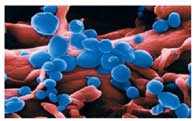
While many avian viruses and other diseases have the potential to cause a pandemic, the H5N1 strain is a leading contender. It has met all the criteria above, except it only has limited person-to-person transmission. It is especially virulent, killing over 60% of those whom it infects. A 2006 WHO working group report stated "the present high lethality could be maintained during a pandemic." It especially targets, and is most fatal, in the young. Citizens as well as governments need to pay attention and prepare.
Secondary Consequences: The Potential Impact is Devastating
Many people could get very sick and millions may die. In addition, the sickness, death and absenteeism from a severe pandemic will have devastating secondary economic and societal impacts. The production and delivery of food, water, fuel and daily supplies could be interrupted for weeks or months at a time, resulting in shortages. Utilities such as water, gas, phone and electricity may temporarily fail. Schools, churches, stores and businesses may close. Hospitals and other healthcare facilities, overburdened with the ill, may be unable to serve all those in need. These cascading effects will significantly impact the economy, national security, the basic functioning of society, and your ability to survive in your own home, even if you do not catch pandemic flu.
Your "72-hour kit" will not suffice for a disaster of this magnitude
Preparedness is Critical for Everyone from Governments to Individuals
"Our entire Nation shares common responsibilities in homeland security. In order to help prepare the Nation to carry out these responsibilities, we will continue to foster a Culture of Preparedness that permeates all levels of our society – from individual citizens, businesses, and non-profit organizations to Federal, State, local and Tribal government officials and authorities." National Strategy for Homeland Security Oct. 2007
During a flu pandemic, people will need a combination of personal/family preparedness, community sustainability, and effective government.
Effective governments lead the way. Local and State governments must lead the way by informing the public of the threat, educating citizens about the possibilities, and encouraging them to prepare in their own way. Governments prepare citizens and institutions for the early use of community mitigation measures to reduce spread of disease when medicines and vaccines are unavailable. They maintain civil order, ensure essential services are operating, and that drugs and vaccines, when available, are distributed fairly.
Governments will NOT have the means to stockpile food and supplies for their populations, however, and it has been made clear that they will not be doing this.
Communities need to be resilient. Communities and businesses within them must be prepared to function in an environment of uncertain supplies, staffing and utilities. Essential workers need to be able to come to work in environments where chance of infection is minimized and necessary provisions have been stockpiled.
Individuals and families must be prepared. Having food, water, medicines and personal protective supplies is an excellent way to prepare for the potential disruption of a pandemic. Also important is mental preparation and resourcefulness. Every single family that has prepared on its own will reduce the demand on strained and insufficient community resources.
This website focuses on personal and family preparedness. Getting prepared is as simple (and hard) as taking personal responsibility and acting.
Each person and household is different, but a prepared household can be accomplished no matter what the location, dietary needs, or income level. Take advantage of the opportunity to protect yourself and your family by starting NOW.
"Any community that fails to prepare, with the expectation that the federal government will come to the rescue, will be tragically wrong." Michael Leavitt, the Secretary of the US Department of Health and Human Services